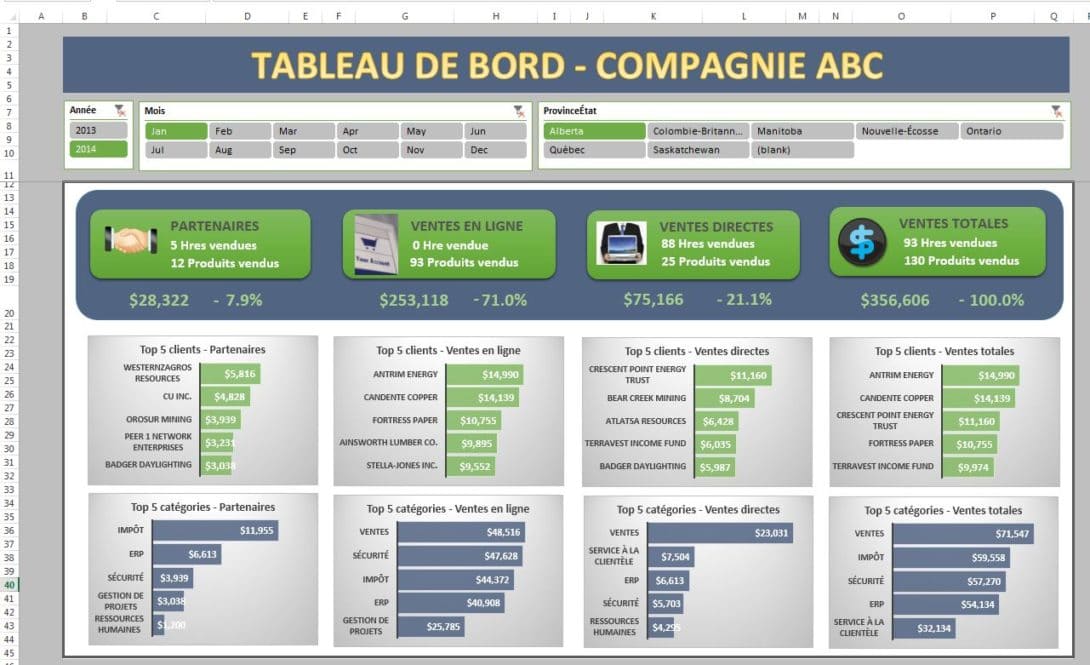
Starting with How to choose the right CRM system, this guide will help you navigate the complexities of selecting the perfect CRM system for your business.
Exploring the key factors to consider, different types of CRM systems, integration capabilities, customization options, user adoption strategies, and budget considerations.
Factors to consider when choosing a CRM system
When choosing a CRM system for your business, it’s crucial to consider several key factors that can impact its effectiveness and suitability for your specific needs.
Key Features to Look for in a CRM System
- Customization Options: Ensure the CRM system can be tailored to meet your unique business processes and requirements.
- Integration Capabilities: Look for a CRM system that seamlessly integrates with other tools and software your business uses.
- Automation Features: Consider CRM systems that offer automation for tasks like lead management, email marketing, and follow-ups.
- Reporting and Analytics: Choose a CRM system that provides detailed insights and analytics to track performance and make data-driven decisions.
Cloud-based vs. On-premise CRM Solutions
Cloud-based CRM solutions are hosted on the vendor’s servers and accessed through the internet, offering flexibility, scalability, and cost-effectiveness. On the other hand, on-premise CRM solutions are hosted on your company’s servers, providing greater control over data but requiring more maintenance and upfront costs.
The Importance of Scalability in Selecting a CRM System
Scalability is crucial when selecting a CRM system as your business grows. Ensure the CRM system can accommodate increasing data, users, and functionalities without compromising performance or requiring a complete system overhaul.
Types of CRM systems available
When it comes to CRM systems, there are three main types available: operational, analytical, and collaborative. Each type serves a different purpose and offers unique features to help businesses manage customer relationships effectively.
Operational CRM
Operational CRM systems focus on automating and improving customer-facing processes such as sales, marketing, and customer service. These systems are designed to streamline day-to-day operations and enhance customer interactions. Popular examples of operational CRM software include Salesforce, HubSpot, and Zoho CRM.
Analytical CRM
Analytical CRM systems are geared towards analyzing customer data to gain insights and make informed business decisions. These systems help businesses track customer behavior, preferences, and trends to improve marketing strategies and enhance customer satisfaction. Examples of analytical CRM software include Microsoft Dynamics 365, SAP CRM, and Oracle CRM.
Collaborative CRM
Collaborative CRM systems focus on facilitating communication and collaboration between different departments within an organization to ensure a unified approach to customer interactions. These systems help improve internal communication and coordination to provide a seamless customer experience. Popular collaborative CRM software includes Nimble, Insightly, and Pipedrive.
Industry-Specific CRM Solutions
Industry-specific CRM solutions are tailored to meet the unique needs and requirements of specific industries such as healthcare, finance, real estate, and retail. These solutions offer specialized features and functionalities to address industry-specific challenges and regulations. For instance, healthcare CRM systems like hc1 and Salesforce Health Cloud are designed to manage patient relationships and healthcare workflows efficiently.
Assessing integration capabilities
When choosing a CRM system, assessing its integration capabilities is crucial to ensure smooth operations and seamless data flow within your organization. Integrating a CRM system with existing tools and systems can streamline processes, improve efficiency, and enhance overall productivity.
Checklist for evaluating compatibility
- Check if the CRM system offers pre-built integrations with commonly used software such as email marketing platforms, accounting software, or project management tools.
- Evaluate the ease of integrating the CRM system with custom-built or proprietary software used within your organization.
- Ensure the CRM system supports APIs (Application Programming Interfaces) for easy communication and data exchange with other systems.
- Verify if the CRM system can be seamlessly integrated with mobile applications or e-commerce platforms if needed.
Impact on data flow and business processes
Integrating a CRM system effectively can have a significant impact on data flow and business processes. It can lead to:
- Improved data accuracy by eliminating manual data entry and reducing errors.
- Enhanced visibility into customer interactions and transactions across various systems.
- Increased efficiency through automated data synchronization and real-time updates.
- Streamlined workflows by connecting different departments and systems for a cohesive operational structure.
Customization and user adoption
Customization plays a crucial role in tailoring a CRM system to meet specific business needs. By customizing the CRM platform, companies can ensure that it aligns with their unique processes, workflows, and data requirements. This not only improves efficiency but also enhances user experience and overall productivity.
Best practices for ensuring high user adoption rates
- Involve end-users in the customization process to gather feedback and insights on what functionalities are most important to them.
- Provide adequate training to employees to familiarize them with the customized CRM system and its features.
- Encourage user adoption by highlighting the benefits of using the CRM system and how it can streamline daily tasks.
- Offer ongoing support and assistance to address any issues or questions that users may have post-implementation.
Role of training and support in maximizing CRM benefits
Effective training is essential for ensuring that employees can fully utilize the features and capabilities of the CRM system. By investing in comprehensive training programs, companies can empower their staff to leverage the CRM platform to its fullest potential. Additionally, providing continuous support and resources can help address any adoption challenges and ensure a smooth transition to the new system.
Budget considerations
When it comes to choosing a CRM system, one of the critical factors to consider is the budget. It’s essential to understand the cost factors involved in implementing a CRM system and ensure that it aligns with the financial constraints of the business.
Cost factors in implementing a CRM system
- Initial setup costs: Consider the upfront costs involved in purchasing the CRM software, training employees, and customizing the system to meet your business needs.
- Subscription fees: Many CRM systems operate on a subscription-based model, so it’s important to factor in the recurring monthly or annual fees.
- Integration costs: If you need to integrate the CRM system with other existing software, there may be additional costs associated with this process.
- Maintenance and support fees: Don’t forget to account for ongoing maintenance and support fees to ensure the CRM system runs smoothly and efficiently.
Tips for selecting a CRM system within budget constraints
- Define your budget: Clearly outline how much you are willing to invest in a CRM system and stick to it during the selection process.
- Compare pricing models: Evaluate different CRM systems and their pricing structures to find one that offers the best value for your budget.
- Avoid unnecessary features: Focus on essential features that align with your business goals to prevent overspending on functionalities you may not need.
- Look for discounts or promotions: Keep an eye out for special offers or discounts that CRM vendors may provide to help reduce costs.
Potential ROI of investing in a CRM system
Investing in a CRM system can lead to improved customer relationships, increased sales, and streamlined business processes, ultimately resulting in a higher return on investment.
Outcome Summary
In conclusion, selecting the right CRM system is crucial for maximizing business efficiency and growth. By understanding the key components discussed in this guide, you can make an informed decision that aligns with your business needs.
